
February is often associated with Valentine’s Day, but love in the garden doesn’t have to be romantic, showy, or short-lived. In fact, some of the most meaningful expressions of love outdoors are practical, thoughtful, and quietly revealed over time.
As winter slowly begins to loosen its grip and the days lengthen, this is a natural moment to reflect on how gardens support connection - with nature, with wildlife, and with the people who spend time in them. Late winter and early spring are ideal seasons for looking at gardens not for what they look like right now, but for how they are designed to be lived in, nurtured, and enjoyed.
Love in the Garden Through Plant Choice
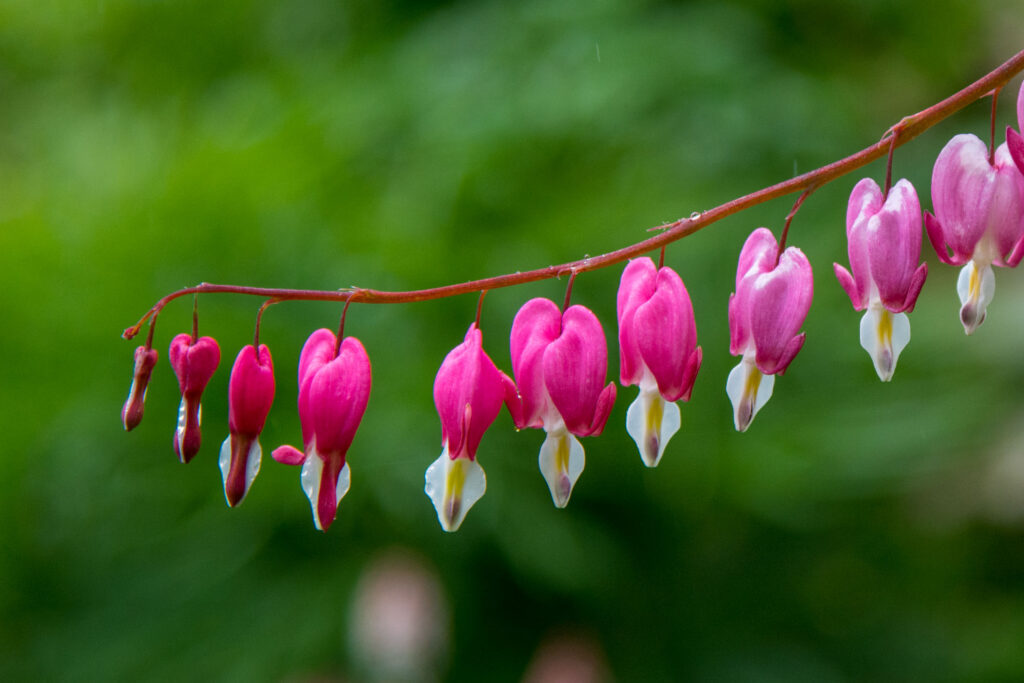
Some plants wear their sentiment lightly, often hinted at in their names rather than their appearance. Love-in-a-mist (Nigella damascena) is a perfect example: delicate flowers floating above soft, feathery foliage, bringing an almost dreamlike quality to borders in early summer. Likewise, bleeding heart (Lamprocapnos spectabilis - our main image) produces gentle, heart-shaped flowers in spring, adding charm and softness without overwhelming a planting scheme.
But love in planting design goes far beyond names. Choosing plants that suit your soil, aspect, and level of maintenance is one of the most caring decisions you can make - both for the garden and for yourself. Gardens thrive when plants are well matched to their conditions, reducing stress, minimising intervention, and allowing landscapes to settle naturally over time.
Late winter is an excellent time to review planting plans, identify gaps, and think about how different areas of the garden perform across the seasons. Are there moments of interest in early spring? Do some borders feel bare until summer? These observations often lead to small but impactful changes.
Designing Spaces That Invite Time Together
Love in the garden is often expressed through how spaces are used rather than how they look. Seating is a simple but powerful example. Thoughtful garden design can result in a considered position for a bench or chair that can turn an overlooked corner into a favourite spot - somewhere to pause, chat, read, or simply watch the garden change.
Rather than placing seating as an afterthought, good garden design considers views, light, shelter, and proximity to planting. A seat that catches low winter sunshine or offers protection from prevailing winds can extend the amount of time a garden is usable throughout the year.
Paths also play a role here. Gentle curves, changes in surface texture, and subtle pauses along a route encourage slower movement and awareness. A garden that invites wandering naturally encourages people to notice scent, sound, and seasonal detail - all part of feeling connected to a place.
Patience, Care, and the Long View
Gardening is, at its heart, an act of long-term care. Trees take years to mature, hedges soften gradually, and perennials often need time to establish before they truly shine. Designing with this in mind shows respect for the natural pace of growth and avoids the frustration that comes from trying to rush a garden into perfection.
Late winter is an ideal time to reflect on this longer view. Structural elements such as trees, hedges, and paths are particularly visible at this time of year, making it easier to assess the bones of the garden. If these elements are well considered, seasonal planting can change and evolve without losing cohesion.
Sharing the Garden with Wildlife
Love in the garden can also extend beyond human use. Planting for pollinators, leaving seed heads through winter, and allowing areas of long grass or informal planting to develop are all ways of supporting wildlife.
These choices don’t require large gardens or dramatic changes. Even small actions - such as selecting nectar-rich plants or reducing excessive tidying - can make a meaningful difference. Gardens that support biodiversity tend to feel more alive and resilient, offering year-round interest rather than brief seasonal peaks.
A Seasonal Moment for Reflection
This time of year i.e. February and early March, sits at an in-between point in the gardening calendar. There is still cold weather to contend with, but signs of renewal are beginning to appear. Snowdrops, hellebores, swelling buds, and longer afternoons all hint at what’s to come - it won't be long before those early spring plants are bursting forth with gusto!
This makes it an ideal time to reflect on what you love about your garden - and what you might like to nurture differently in the year ahead. Whether that’s creating more places to sit, improving planting structure, or simply allowing the garden to develop at its own pace, thoughtful choices made now can shape how a space feels for years to come.
Love in the garden doesn’t need grand gestures. It shows up in patience, observation, and care - and it’s often the quiet decisions that have the greatest impact.


