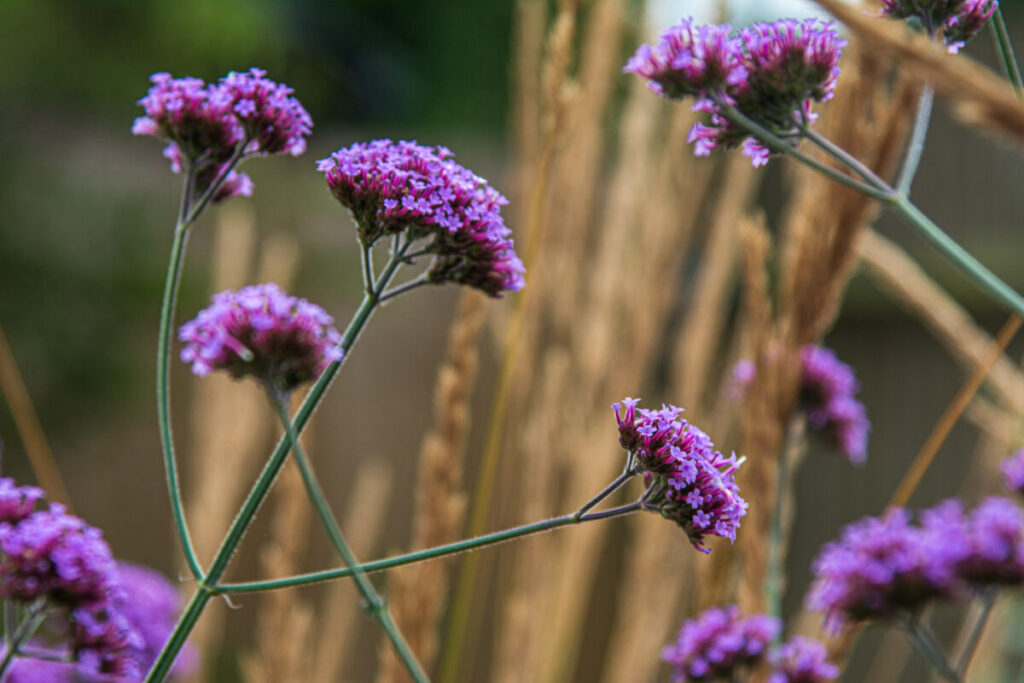
The top priority for your August garden is usually to just sit back, relax and enjoy your garden and who are we to say anything otherwise? Go on, get out there and enjoy it before the weather changes for good!
Traditionally, this is the holiday month so if you are managing to be away this year remember to arrange for a neighbour/friends/family to pop round to keep an eye on plants for you. You’ll need to ask them to pick the fruit and veg that has ripened on any edible plants or it will spoil what is left still growing.
Containers and hanging baskets will need watering so consider drip feed irrigation systems if family and friends can't step in for you while you're away.
Indoor plants do need to be watered this time of year so if you can’t leave your key with anyone sink the pots in the soil in a shady area where they won’t dry out so quickly.
August can also bring with it lots of thunderstorms and heavy downpours which is great for cleaning the leaves of trees, shrubs and hostas and bringing the lawn back to it’s lush green colour. Make sure that your water butts are at the ready and delicate plants are supported to prevent possible damage.
August Garden Jobs
There have been some major growth spurts going on in our gardens this year and one of the biggest problems for gardeners is to make sure things don't get too much out of hand. As ever deadheading is the order of the day for August along with watering. Don't forget to try to water late afternoon or evening if possible, avoiding the heat of the day (although roses do prefer a morning drink!). Some summer pruning is also on the cards to help keep things under control along with the usual August jobs:
Check plants at least twice a week to check for infestation of bugs like aphids and red spider mite
Weed borders so plants aren’t competing for nutrients in the soil or water
Deadhead flowers regularly to encourage more flowers and to extend their flowering season
Consider saving bath and dish water for the garden (non-edibles)
Concentrate on watering newly planted trees, shrubs, window boxes and containers
Feed plants that require it
Remove the growing tip from greenhouse tomatoes to encourage fruit growth
Start thinking about planting bulbs for Christmas displays (yes, I really did mention the C-word!!)
Protect dahlias from earwigs
Check if repairs to the greenhouse or shed are needed before autumn sets in
Water and feed house plants remembering to clean the foliage
Cut sweet peas as soon as they flower to encourage more and to prevent seed pods forming
Trim hedges at the end of the month it should hopefully be the last time they'll need it this year
Harvest fruit and veg as necessary
Make sure bird baths have fresh clean water every day
Water levels in ponds may have evaporated so top up to ensure the fish don’t die
Remember if you do have to garden while the sun is out protect yourself adequately with sun screen, a hat and drink plenty of water!
July Gardens
July is often one of the fullest months in the garden. Borders are usually bursting, many perennials are at their peak and, after months of watching everything gradually come together, it's often the time when it’s finally possible to enjoy the results of all the work that began back in spring.
This year, though, many gardens are approaching July looking rather different to usual.
Following an exceptionally warm, dry spring and England's warmest June on record, many of us have already spent more time watering than we'd normally expect by this stage of the year. Containers have needed regular attention, some lawns have started to lose their colour and newly planted areas may already be showing signs of stress. At the same time, other plants will have quietly carried on regardless. And let’s not forget the soil too; it is being tested equally as hard as our plants.
Rather than seeing this as just another dry spell to get through though, it's worth considering what – if anything – your garden might be trying to tell you!
Updated for July 2026
What is your garden teaching you?
Seasonal changes always tend to reveal something about a garden, but periods of unusual weather often expose things more than a typical year ever could. For instance, some plants might appear to be really struggling with the warm, dry conditions while others seem to be coping well, and in some cases, it might not be what you were expecting at all. Different parts of the garden might be drying out much more quickly than others, too.
These are all useful things to know because if the hot weather is expected to become the norm, as some experts suggest, then that knowledge helps to identify where planting might be well suited to its position, or where conditions are more likely to prove challenging, and even where potential changes could perhaps make the garden more resilient in future years.
But for now…
If the dry weather continues…
If July remains warm and dry, it makes sense to focus your efforts where they're likely to have the greatest impact. Newly planted trees, shrubs and perennials for instance, are likely to need more attention than more established planting, while containers will usually continue to dry out much more quickly than garden borders.
If you're relying heavily on mains water already, this may also be the moment to start thinking beyond this summer. Would additional water storage make life easier next year? Could a water butt be added to another downpipe? Are there areas of the garden that consistently need far more watering than others?
They're not all questions that need answering immediately, but they are questions well worth considering while we’re actually living through the experience.
If the weather changes…
If July turns wet though which, let’s face it, wouldn’t be a complete surprise for July in the UK, trying to make the most of the rainfall and managing excess might well become the dominant drivers of your garden work.
With the ground being so hard there’s a good chance that rainfall might not permeate the top level of soil so if you know it’s due, it might be worth trying to break the crust of packed border soil to help the water get to roots.
Heat-stressed plant roots can struggle if dry ground suddenly floods though, so helping the water filter through the soil can be just as useful as helping it get beyond the surface level. Try getting a garden fork fairly deeply into the soil to create drainage holes, especially around any plants where the water pools.
After rain it’s always worth digging a few inches down into the soil to check how far the water reached. It can be tempting to think that some rain will have done the watering for you but the ground can remain surprisingly dry after rainfall, and if that is the case then your watering regime may need to continue.
Looking ahead
Whether July turns out wet or dry, 2026 is already proving to be an interesting gardening year! If you haven’t done it already, it’s worth taking a few photographs and/or making a note of anything out of the ordinary that might be happening in your garden. For instance, anything that surprises you, or delights you, or worries you, or sends you into despair (which unfortunately can happen too). The lessons of this month and year can help us prepare for the next.
July Garden Jobs
While every July is different, most gardens will benefit from regular attention rather than major intervention. The following jobs will help keep your garden looking its best through the height of summer.
Prioritise your watering
If July continues the recent dry weather, concentrate your efforts where they'll make the biggest difference.
Water newly planted trees, shrubs and perennials during prolonged dry spells.
Check containers and hanging baskets regularly, as they can dry out surprisingly quickly.
Water thoroughly rather than little and often.
If you've found yourself using the hosepipe far more than usual this year, consider whether additional rainwater storage would be worthwhile before next summer.
Keep an eye on local advice should hosepipe restrictions become a possibility later in the season
Top up organic mulches where they've broken down to help conserve soil moisture
Keep an eye on your planting
July is one of the easiest months to see how well your planting is performing.
Deadhead repeat-flowering perennials and roses.
Support taller plants before they begin to lean or collapse.
Tie in climbing plants as they continue to grow.
Remove any tired foliage where appropriate.
Make a note of plants that have coped particularly well with this year's conditions, and those that haven't.
Learn from your garden
Photograph borders while they're looking their fullest.
Make a note of any gaps that appear once early-flowering plants finish.
Record combinations that have worked particularly well.
If certain plants have struggled repeatedly during the dry weather, consider whether they're suited to that position or whether a different choice might perform more reliably.
Harvest and enjoy
Harvest fruit and vegetables regularly.
Pick flowers for the house when you can - bring the garden indoors!
Continue harvesting herbs.
Spend some time just enjoying the garden and noticing how it changes through the month.
Greenhouse
Ventilate well during warm weather.
Provide shading where necessary.
Water greenhouse plants consistently.
Check regularly for pests.
Wildlife
Keep bird baths topped up with fresh water.
Check ponds during prolonged dry spells.
Leave areas of the garden undisturbed where wildlife is sheltering from the heat.
Continue encouraging beneficial insects by providing habitats and a variety of flowering plants.
Around the garden
Hoe borders regularly to keep weeds under control.
Raise mowing heights if the lawn is becoming dry.
Trim hedges once you're satisfied there are no active bird nests.
Check tree ties and stakes on recently planted trees.
One final thought…
While no two years are ever the same, warmer temperatures and more frequent weather extremes mean that seasons like this may become less unusual in the future. Which means, of course, that any lessons we can learn from our own gardens this year could turn out to be really valuable in the years ahead.
June is, for many of us, when a garden really begins to pay us back for all of the effort that has gone into it over the previous months. It adds to the promise of May; borders are filling out, many perennials are now flowering freely and shrubs are carrying fresh, healthy growth. It's also the point where planting combinations start to give hints of what’s to come.
This year, after a particularly dry spring, many gardens are already feeling the effects of reduced rainfall. So, depending on where you are, you may find yourself watering more often than you would expect at this stage of the year, particularly newly planted borders and containers.
Updated for June 2026
Often by June, much of a garden’s planting is already in place so attention usually shifts slightly from encouraging new growth, towards guiding and maintaining planting as it develops through the summer. A little attention now – whether that's supporting taller plants before they lean, keeping on top of weeds or watering during dry spells – will help your garden continue looking its best throughout the summer.
Supporting healthy growth
We love June because everything seems to burst with life. It’s a month when many herbaceous perennials experience growth spurts and, given half a chance, some will happily try to take over the world – which can be problematic for neighbouring plants. To avoid that spill over, try getting supports in for taller plants before they start flopping. It helps maintain a more natural aesthetic – it allows the shape of the plant to evolve much more naturally – and usually results in the supports ‘disappearing’ amongst the foliage too.
It's also still not too late to carry out the Chelsea Chop on suitable late-flowering perennials if you'd like to stagger flowering or encourage a more compact habit. Early-flowering hardy geraniums can often be cut back after flowering too and will usually reward you with a fresh flush of foliage and, in many cases, a second display later in the summer.
Watering and caring for your planting
Warm weather, longer days and plenty of leafy growth all mean plants use considerably more water during June than they did earlier in the spring. If you don’t already have them, we think it’s well worth installing as many water butts as your budget, and garden allows! Using rainwater from butts can help reduce demand for tap water and is arguably better for plants since it lacks the minerals and chemicals often associated with tap water.
Rather than watering little and often, it's usually better to water thoroughly when plants need it. This generally encourages roots to grow deeper into the soil. Containers are the exception to this ‘rule’ though. Compost dries out much more quickly than garden soil, so it's worth checking pots regularly, particularly during warm or windy weather.
While you're watering, it's a good opportunity to check out the planting. June is a great month to see which plant combinations are really working well and importantly, which aren’t. You can start to see the ‘bullies’ and you can usually spot gaps starting to appear in June too so it can really help you stay ahead if you can spot things early.
Keeping displays looking their best
Deadheading repeat-flowering perennials and roses as flowers fade helps encourage further flowers and keeps borders looking fresher for longer.
Climbers will also appreciate a little attention at this time of year. Tying in new shoots while they're still flexible helps direct growth where you want it and allows plants to make the most of the support available.
Greenhouses and pests
Greenhouses, conservatories and sunny windowsills can become overly hot during June, so good ventilation becomes increasingly important. On particularly warm days, consider adding a little shading to help protect more sensitive plants from scorching.
June often brings with it a surge in pest activity. Slugs, snails, aphids and other insects are all easier to manage when spotted early, so regular walks around the garden often pay dividends before small problems become larger ones!
June Garden Jobs
All in all, June is a month of strong growth, which means a little regular maintenance can often go much further than the occasional larger job. ‘Keeping on top of things’ is generally the order of the day and if you can do that it can help your garden continue to perform well throughout the weeks ahead.
Looking after your planting
Deadhead repeat-flowering perennials and roses to encourage further blooms.
Support taller herbaceous perennials before they begin to lean.
Carry out the Chelsea Chop on suitable late-flowering perennials if you haven't already.
Cut back early-flowering hardy geraniums after flowering to encourage fresh growth and, in many cases, a second flush of flowers.
Hoe borders regularly to reduce weed competition while weeds are still small.
Tie in new growth on climbing plants.
Watering
Water borders thoroughly during prolonged dry spells rather than little and often.
Check containers regularly, as compost can dry out surprisingly quickly.
Keep newly planted trees, shrubs and perennials well-watered while they establish.
Install water butts if you can
Greenhouse care
Increase ventilation on warm days.
Provide shading where necessary to protect more sensitive plants.
Continue checking regularly for pests and diseases.
Lawns
Raise mowing heights during dry weather to help keep lawns healthier.
Continue mowing regularly as growth allows.
Fruit and vegetables
Harvest vegetables as they become ready.
Continue sowing suitable crops for later harvests.
Place supports where required before plants become too large to manage easily.
Looking Ahead
June is a great month for evaluating your planting and ‘adjusting’ where necessary – filling gaps, taming bullies and supporting plants where needed. It’s also when those little and often maintenance tasks really begin to show dividends. Making a few small adjustments now, is a great way to keep borders looking full, balanced and gorgeous for the rest of the summer.
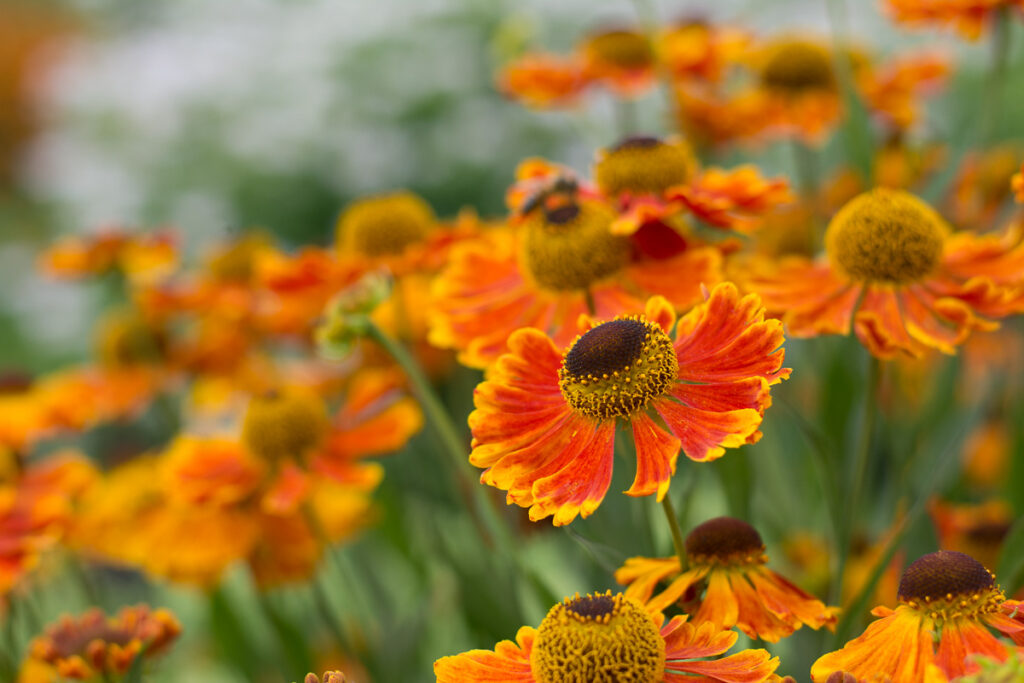
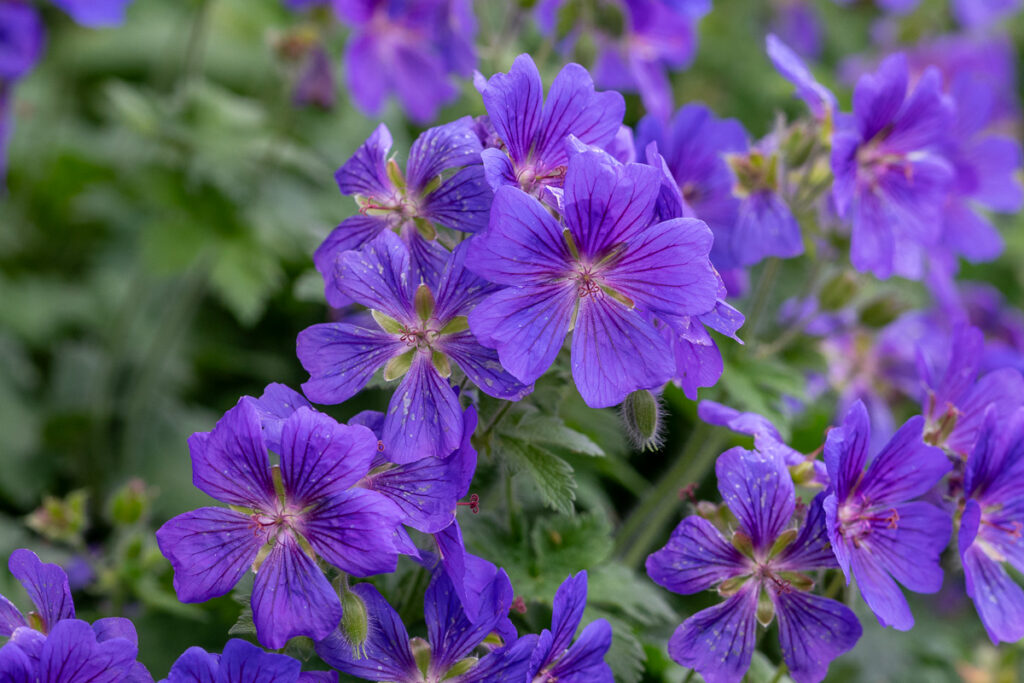
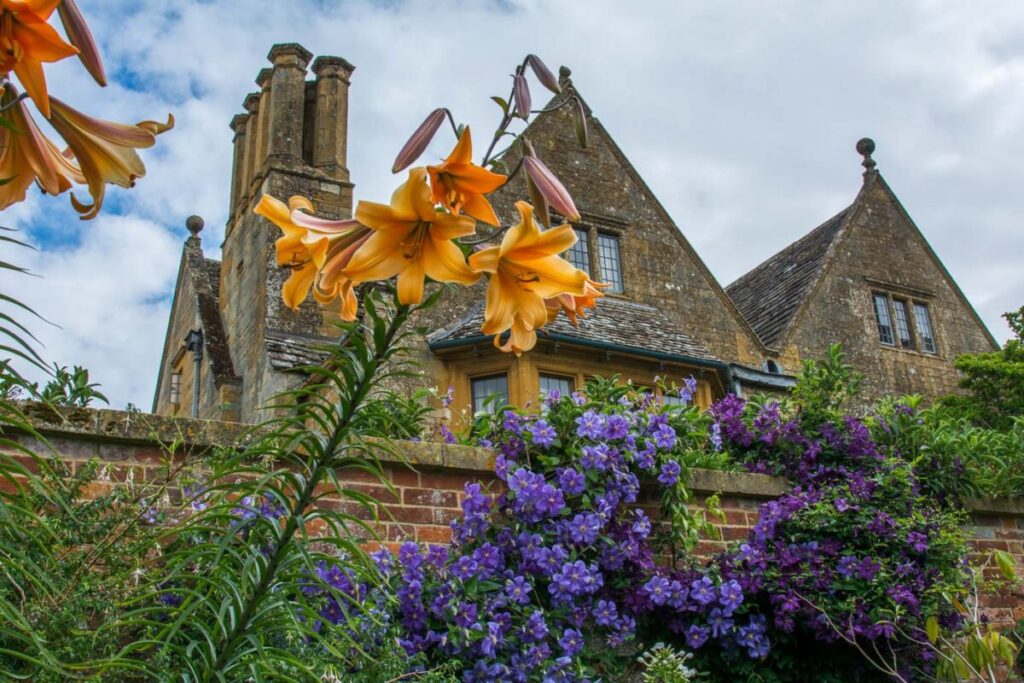
We’re loving oranges and purples together right now – to some it may sound a bit garish and not quite their cup of tea but you can get some fantastically striking looks and from some of our more commonly chosen garden flowers too, you don’t have to stray too far into the unknown to get some great effects (see the pictures for proof!).
Here at Blue Daisy we like this colour combination; it’s striking, it’s bold and a little bit out of the ordinary! These colours make you take notice, make you feel like you want to linger and really see how well they work together. Our favourite oranges of the moment are:
Helenium ‘Waldtraut’
Knipofia ‘Royal Standard’
Echinacea ‘Arts Pride’
And our favourite purples to go with the oranges above are:
Verbena bonariensis
Geranium ‘magnificum’
Geum ‘Prinses Juliana’
These plants all look lovely together so if you are going to give this colour scheme a try (or any other combination), do a bit of research before you buy. Ask yourself a few questions, for example what will grow best in your soil? How much space do you have? How long do you want the interest to last for? We also recommend digging your border and working the soil until its ready and then check the plant labels (or consult a good plant book or even Blue Daisy!) for the widths and heights of the mature plants you’ve chosen. It’s best to place the plants, still in their pots, onto the soil to make sure you’re happy with how they look and to check that they’ve got enough room and once that is done …. get planting!
The above plants will give you a fantastic display between June and October and all of the plants used are herbaceous perennials. They will give you a nice display in year one and an even better one in year two when they are more established. If it is year round interest you want then you’ll need to think of broadening your plant types and incorporating shrubs and/or trees that flower or offer interest at different times of the year and don’t forget to account for height and structure too. Go on, splash a bit of colour around!
Manage Consent
To provide the best experiences, we use technologies like cookies to store and/or access device information. Consenting to these technologies will allow us to process data such as browsing behaviour or unique IDs on this site. Not consenting or withdrawing consent, may adversely affect certain features and functions.
Functional
Always active
The technical storage or access is strictly necessary for the legitimate purpose of enabling the use of a specific service explicitly requested by the subscriber or user, or for the sole purpose of carrying out the transmission of a communication over an electronic communications network.
Preferences
The technical storage or access is necessary for the legitimate purpose of storing preferences that are not requested by the subscriber or user.
Statistics
The technical storage or access that is used exclusively for statistical purposes.The technical storage or access that is used exclusively for anonymous statistical purposes. Without a subpoena, voluntary compliance on the part of your Internet Service Provider, or additional records from a third party, information stored or retrieved for this purpose alone cannot usually be used to identify you.
Marketing
The technical storage or access is required to create user profiles to send advertising, or to track the user on a website or across several websites for similar marketing purposes.