
Gardening in March: what to do in the garden this month
Early spring really begins to gather pace in March. The days are noticeably longer, the sun starts to carry a little warmth and gardens slowly begin to wake from winter.
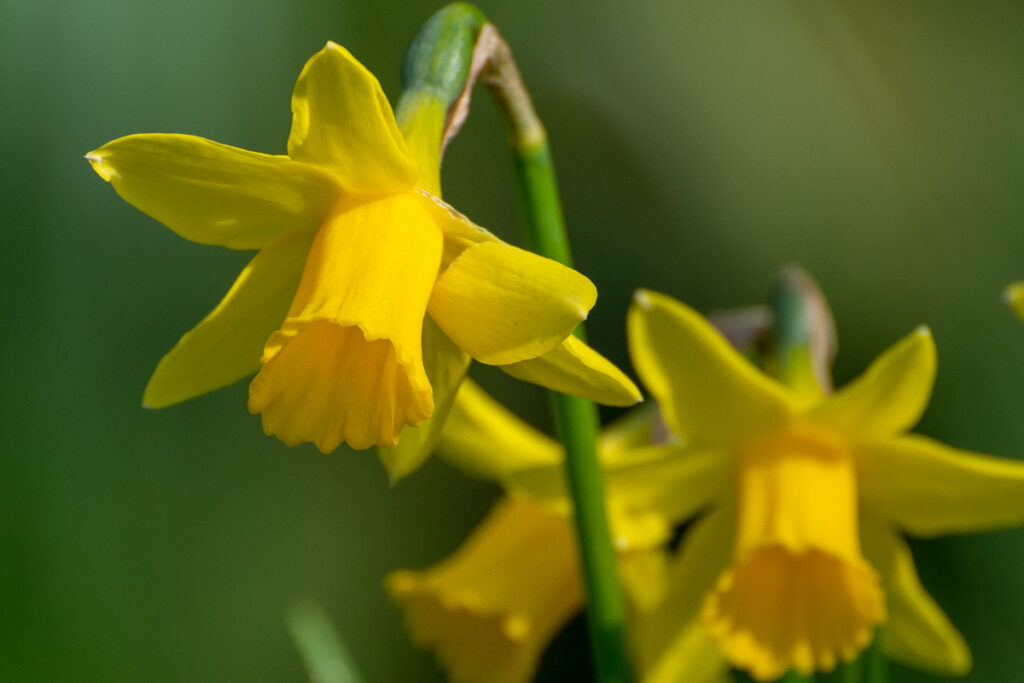
Early bulbs such as crocus, snowdrops and the first daffodils start brightening up our borders and generally making us smile. Lawns begin to stir back into growth and shrubs start showing the first signs of fresh shoots.
The weather can still be a little unpredictable though. Bright, mild days can quickly be followed by sharp frosts, so it’s wise to keep protective fleece handy for any tender plants and avoid moving overwintered plants out too early.
March is often a month of preparation as much as action. A little steady attention now — tidying borders, improving soil and getting ahead of weeds — makes the busy spring weeks that follow feel much easier to manage.
Updated for March 2026
Preparing the garden for spring growth
As the soil begins to warm, weeds will start to germinate quickly. Light hoeing on dry days is one of the easiest ways to keep them under control before they establish themselves. Any perennial weeds are best dug out now while the soil is still relatively open and workable.
Applying mulch to beds and borders is also particularly worthwhile at this time of year. A generous layer of organic matter helps retain soil moisture, improves soil structure and suppresses many of the weeds that would otherwise appear as temperatures rise.
Pruning and seasonal care
Many shrubs benefit from attention in March before the growing season gathers pace.
If roses were not pruned in the autumn, this is usually the final opportunity to do so before new growth becomes too established. Cutting back now helps maintain a good framework and encourages strong flowering later in the season.
Shrubs grown for colourful winter stems, such as dogwoods and willows, can also be cut back now. Pruning them annually encourages the fresh young stems that provide the best colour displays in autumn and winter.
Keeping an eye on pests and diseases
As temperatures increase, pests and diseases begin to become more active in the garden.
Regular observation is often the most effective approach. Slugs and snails, for example, become increasingly active as young shoots appear. Gardeners who prefer a non-chemical approach sometimes use biological controls such as nematodes, which can be watered into the soil to help manage slug populations.
In greenhouses or sheltered growing spaces, rising temperatures can also encourage aphids, whitefly and red spider mite. Keeping a watchful eye early in the season allows problems to be addressed before they become more widespread.
Garden jobs to do in March
Borders, perennials and planting
March is a good month to tidy and rejuvenate planting areas before spring growth accelerates.
- Lift and divide overcrowded clumps of perennials to encourage stronger growth and create new plants for other areas of the garden
- Divide established herbs such as chives to encourage fresh growth
- Prune winter-flowering heathers once flowering has finished, removing spent flowers without cutting into old woody growth
- Mulch beds and borders with organic matter to retain moisture and suppress weeds
Weed control and soil preparation
As soil temperatures begin to rise, weeds quickly start to germinate.
- Hoe emerging weeds regularly on dry days to prevent them establishing
- Dig out perennial weeds before they become well established
- Prepare vegetable seed beds by removing weeds and improving soil structure with compost or organic matter
Lawns
Lawns usually begin growing again this month as temperatures slowly increase.
- Lightly scarify lawns if this was not done in the autumn
- Begin mowing again using a high mower setting for the first few cuts
- Towards the end of the month, lay new turf or sow lawn seed as conditions allow
Vegetables and seed sowing
March is an important month for getting early crops started.
- Plant early varieties of potatoes
- Sow suitable vegetable and flower seeds this month, either indoors or directly outside depending on the plant and weather conditions
Containers and houseplants
Container plants also begin to respond to the longer daylight hours.
- Refresh containers with fresh compost or top dress with new compost if plants are remaining in the same pot
- Gradually increase watering for houseplants as growth begins to pick up, allowing compost to dry slightly between watering
Looking ahead
By the end of March we often find the garden feels noticeably different to just a few weeks earlier. Bulbs are flowering, lawns are beginning to grow and new shoots are appearing across borders. A little preparation now can really help everything settle well into the busy spring weeks ahead.


