December Gardens

With Christmas fast approaching us the general pace of work in the garden is much more relaxed as there is a lot less urgency for jobs to be completed now. Many people think that there is nothing to do in December but you’d be surprised! It’s a great time for pruning woody ornamental plants, fruit trees and bushes because they are in their dormant period. Now that the leaves have almost finished dropping you can really see what you’re doing and can check to see if there is any dead or diseased wood to prune out. Don’t prune your Cornus (Dogwoods) though because their stem colour gives us some striking winter interest for our gardens.

Keep clearing any fallen leaves and save for leaf mould. Even though there are fewer garden pests and diseases around at this time of year keeping one step ahead of your garden hygiene – even in December – will reduce pest and disease problems in the spring and summer. If you find anything diseased you should really burn it rather than putting it in the compost heap. Remember too to leave a few areas undisturbed for overwintering beneficial insects like ladybirds.

Greenhouse and cold frame hygiene is also high on the list this month as the moist atmosphere is a perfect breeding ground for moulds and other diseases. Insulating your greenhouse or cold frame with bubble wrap will conserve heat for those overwintering plants you’ve brought in or if you’re getting ahead with any newly sewn seeds for next year.

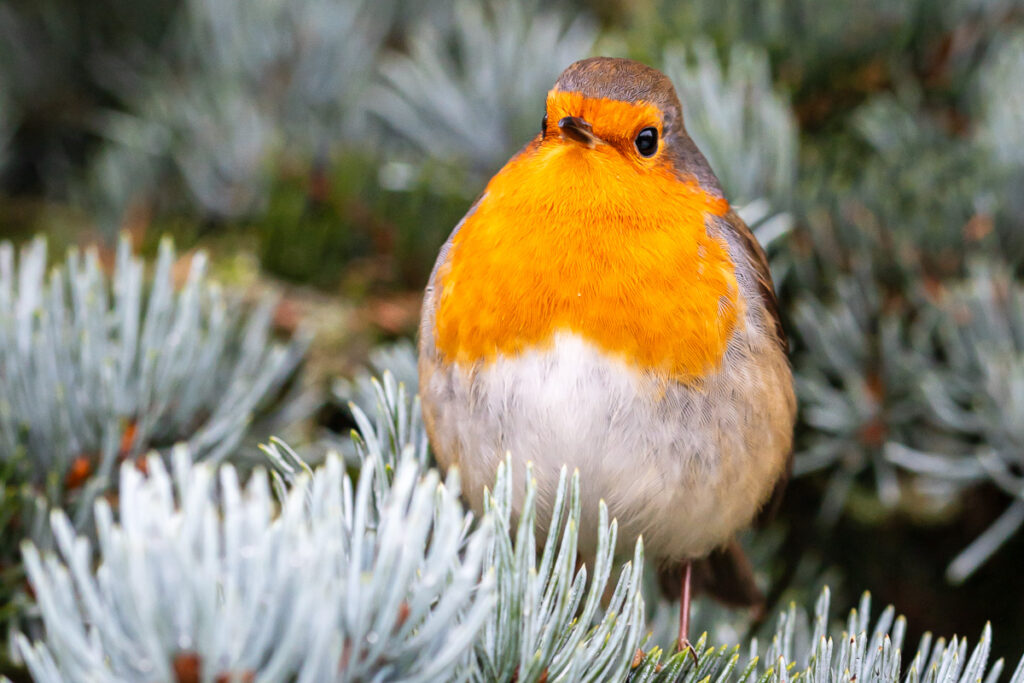
You’ll find that whenever you’re out and about in the garden this month you’re likely to be followed around by a Robin looking for worms or insects that you may have disturbed. Winter is a difficult time for birds, so don’t forget to feed them regularly and give them clean water to bathe as they do become quite dependent on you to survive especially in the deep cold of winter (if it happens this year!  It's been super mild again so far.)

For those of you that don’t want to go out into the garden you could start to think about what you want to do with the garden next year. Make a list of any plants you want to move or divide, any new plants you want to buy or seeds you want to order. Consider the different parts of your garden – are there any parts you would like to change? Would you like to add something to it, take something away, change the shape of it, incorporate vegetable beds, perhaps?

Whatever you have in mind, don’t forget that Blue Daisy can help you shape your garden with and for you, whether it is designing all or part of it and if you're not sure what you could do don't forget we also do advice sessions.  These involve an hour of Nicki's time talking about your garden with you, it's amazing the amount of information you can get in an hour...

December Garden Jobs

November Gardens

November gardens can be a chilly place!

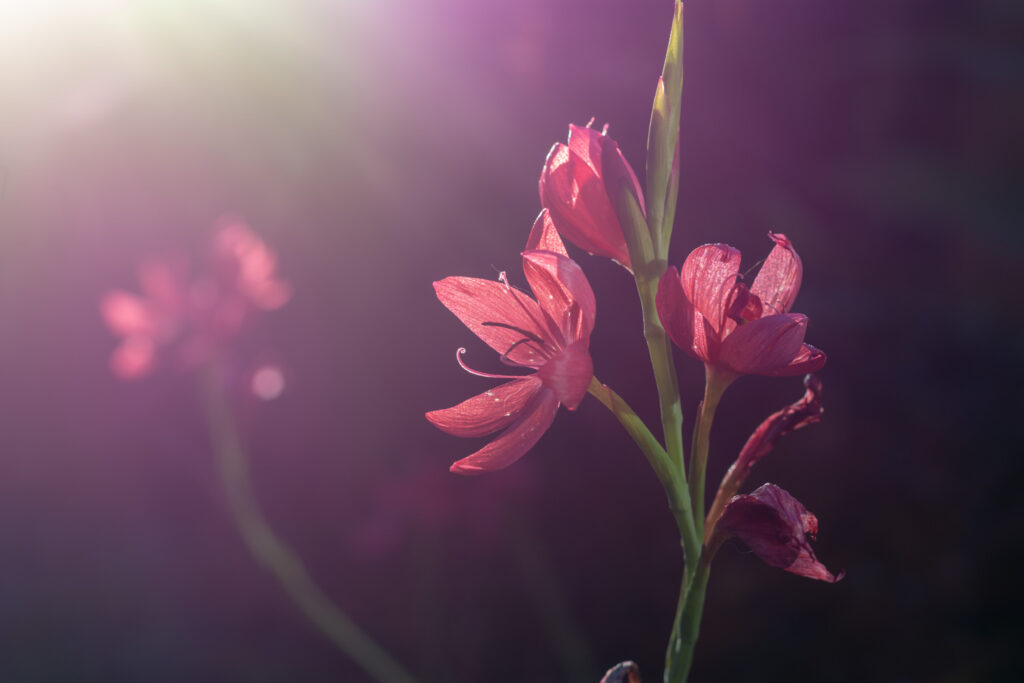
In early November you’ll still find some autumn coloured leaves on trees waiting to be blown off in a gust of wind. Late flowers like Chrysanthemums and Nerines and the odd Rose or Hesperantha still provide us with a little colour, and winter berries are hanging on until the birds eat them all! Later on the onset of winter will become more apparent in your November garden with low clouds bringing rain and fog and all round dampness. It may not be that cold but winds can make it feel colder and, of course, we’ll start to see more frequent evening frosts.

Tidying up is still high on the agenda in your November garden. With leaves still falling you can gather them up to make leaf mould for next year. Your lawn and most plants will suffer if leaves are not collected as they need all the sunlight they can get to stay healthy – if they’re not moved lying leaves can block out the light and in some cases covered plants will suffer from dieback. Also, clear away old stems and dead foliage to make everywhere look tidier; this also prevents slugs and snails settling it to a new home.

You’ll need to bring your non-frost-proof pots and tender plants inside if you don’t have a greenhouse or cold frame to insulate them. If they are too heavy to move wrap pots with hessian or bubble wrap and any plant pots you can move do so – huddle them all together near a house wall preferably south facing which will retain the sun’s warmth. Don’t forget to remove any saucers if you’ve not already done so and lift any pots off the ground by using decorative feet or similar; this provides better drainage and stops the plants getting waterlogged.

November is a great month to plant new trees, shrubs and roses and if you’ve been thinking about wanting to move any around your garden – now is the time. Remember any you do move will need to have as much soil kept on the roots as is possible and make sure they have a really good watering in and lots of organic mulch on the top. If they are large plants make sure you stake them and keep them well watered.

For something different consider converting part of your flower or pleasure garden into a productive area – if care is taken with the design and choice of vegetables they can look really lovely. It might seem like quite a big project but by doing it this month you will be ready for spring. Make sure you can get around all sides of your vegetable beds and that they’re no wider than 1.2m so you can reach everywhere without treading on the soil!

November Garden Jobs

In terms of houseplants:

October Gardens

October gardens tend to see a drop in temperatures, night frosts and an increase of winds blowing the rich autumn-coloured leaves from trees. This month the growing season comes to a close but there are still plenty of jobs to be done in and around your October garden which frankly, is a busy place! There are still often flowers to give attention to, garden hygiene to get under control, crops to harvest and planning and planting for next year all to fit into your garden schedule.

Don’t worry about clearing every seed head or dying herb stems before winter sets in unless you want your garden to be super tidy, seed heads with frost or moisture from a misty start to the day can be very aesthetically pleasing as well as providing beneficial insects such as ladybirds and lacewings shelter to hibernate. Leaving spent seed heads and stems also gives some plants an added layer of protection through the cold and frosty months.

If you have established perennials that have been untouched for a number of years it’s a good idea to divide them now as they head into dormancy; it will give them new vigour and they’ll put on a better show for you next year. Geraniums and Japanese anemones are ideal to divide now, dig them up carefully and use two forks back to back to lever apart, do this a few times and then replant all the smaller plants not forgetting well-rotted compost or manure to help them along.

Sedums (Hylotelephium) are great for dividing now – simply cut all the growth off, dig them up and then using your spade divide the root into sections and replant. Remember to give them a good watering too! Destroy all leaves off your Hosta plants as they very quickly turn mushy and diseased, if you don’t destroy them the spores will over-winter in your garden. Don’t put them in your compost either; destroy them it’s the best way!

Very soon leaves will be everywhere so make the most of them, rake them up and store them either in a chicken wire container held in place using four stakes in the ground or in black bin bags. If you opt for bin bags make sure that the leaves are damp and that you punch your garden fork into the bag a few times to create air holes. Store them in a hidden corner in your garden and after a year the leaves will make a fantastic soil conditioner or mulch and after two years they make potting compost or top dressing for lawns after being sieved – all for free!

October garden jobs

Changing daylight hours will mean that you're up against it in terms of timings before the winter really hits us but this is often a beautiful time of year too with soft autumnal lighting and spectacular leaf colour to fill your senses.

Jobs for this month include:

September Gardens

lawn with water rill and pond reflecting clouds

During September you start to notice the nights beginning to draw in which always means less time to spend working, entertaining or just relaxing outdoors! That said though it’s still a good time to be doing jobs outside. It can also be a time for gales, so be prepared: ensure your plants, shrubs and trees are staked properly to avoid them getting damaged.

This is a great time to take cuttings from tender plants like fuchsias, harvest your fruit and veg, and go on, sprinkle a little TLC on your lawn!!

September is often considered ‘lawn care month’, a time when we reinvigorate them for next year by removing thatch, aerating and applying a top dressing. So, for those of you doing this for the first time here’s a quick guide how to do just that and have a fabulous lawn next year!

Removing Thatch

Thatch is basically moss and dead grass and by removing it, it increases air movement and drainage around your lawn which in turn helps to discourage the re-growth of moss. You can remove it either by using a rake or a powered scarifier. If you use a rake, beware it is hard work and pretty tough on your back. Be warned though, your lawn will look pretty awful after doing this but it won’t take long to recover!

Aerate

Your lawn needs to breathe and the more we walk on our lawns the more compacted it will become. All you need to do is push your garden fork into the ground about 6-7 inches deep and about 9 inches apart. This isn’t too bad a job (albeit a bit boring!) but if you have a big lawn you may want to consider hiring a machine to do this for you.

Top Dress

This job needs to be done as soon as you have aerated the lawn i.e. while the holes are still open. A tried and tested recipe is: three parts of sieved garden soil mixed with two parts of sharp sand and one part of garden compost.

Now sprinkle half - to a full inch of the mix onto the lawn and using a stiff brush or a broom spread it all over. This is to renew the upper soil layer. Again beware; your lawn will look really awful for a few weeks but the grass does grow though the soil again and will thank you for the TLC! Trust us!!

September Garden Jobs

As the nights start to draw in September usually sees gardeners working quick time to make the most of this super-busy month.

While there are still flowers to deadhead and plenty to harvest in the vegetable plot it is also a time of preparation. There are bulbs to plant to ensure a gorgeous display next spring. There are repairs to furniture and structures to do before the worst of the winter weather hits us. It's one of the busiest months in the gardeners' diary, and apart from looking after your lawn here are some other jobs to keep you going!

August Gardens

yellow rudbeckias typical august flowers

The top priority for your August garden is usually to just sit back, relax and enjoy your garden and who are we to say anything otherwise? Go on, get out there and enjoy it before the weather changes for good!

Traditionally, this is the holiday month so if you are managing to be away this year remember to arrange for a neighbour/friends/family to pop round to keep an eye on plants for you. You’ll need to ask them to pick the fruit and veg that has ripened on any edible plants or it will spoil what is left still growing.

Containers and hanging baskets will need watering so consider drip feed irrigation systems if family and friends can't step in for you while you're away.

Indoor plants do need to be watered this time of year so if you can’t leave your key with anyone sink the pots in the soil in a shady area where they won’t dry out so quickly.

August can also bring with it lots of thunderstorms and heavy downpours which is great for cleaning the leaves of trees, shrubs and hostas and bringing the lawn back to it’s lush green colour. Make sure that your water butts are at the ready and delicate plants are supported to prevent possible damage.

August Garden Jobs

There have been some major growth spurts going on in our gardens this year and one of the biggest problems for gardeners is to make sure things don't get too much out of hand. As ever deadheading is the order of the day for August along with watering. Don't forget to try to water late afternoon or evening if possible, avoiding the heat of the day (although roses do prefer a morning drink!). Some summer pruning is also on the cards to help keep things under control along with the usual August jobs:

July Gardens

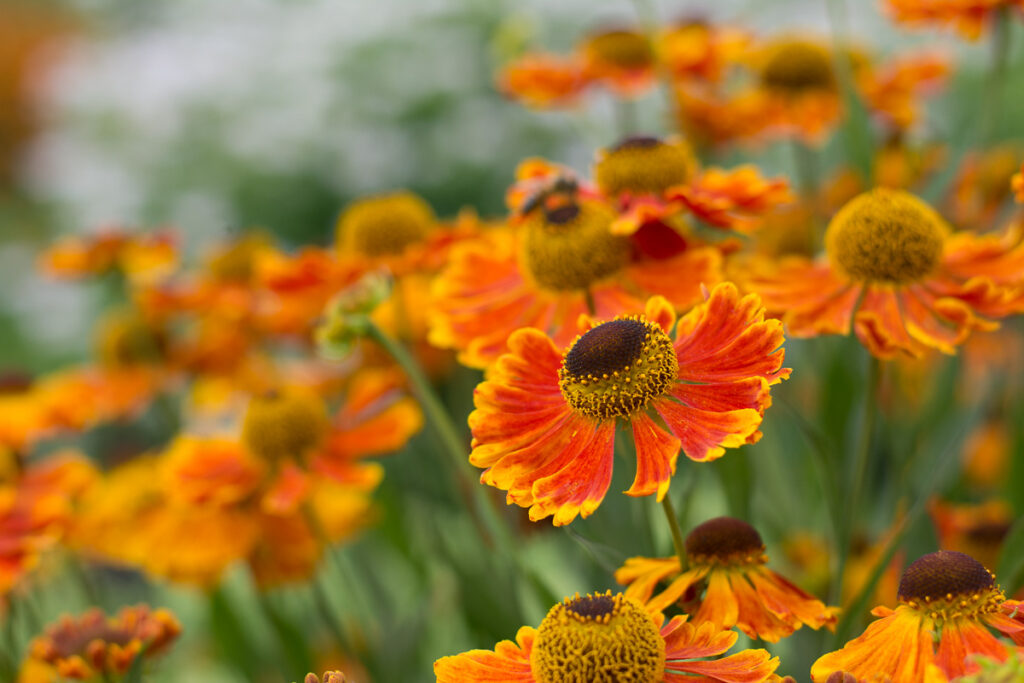
orange heleniums typical July flowers in the garden

There are always some things in the garden that you'd do differently, and your July garden is often a good time to spot those difficult patches. Make a note of the changes that you'd like to make and take photos to help your memory so that when you do come to make changes later in the season it'll be an easier job.

Pests are usually rampant this month with aphids, particularly greenfly and blackfly multiplying fast. It's time to get the ladybirds into your garden for a sumptuous feast and if you haven't built a ladybird home yet it's a great thing to do with children. All you need is some lengths of hollow bamboo bundled together with either string or bunched inside a plant pot or something like a catering size coffee tin. Putting them inside something ensures the canes don't become a wind tunnel and if you've tied them up without putting them inside something do make sure one end of the canes are blocked up with something. Another way of providing insect homes is to drill some holes into one end of a log. Ladybirds and other insects will thank you for providing them with safe harbour to either lay eggs or to hibernate.

Managing pests and diseases is especially important in your fruit garden to help keep fruits healthy and with the hoped for sunshine also comes a plethora of weeds. Keep them under control in order to give your flowers, fruit and vegetable plants room to grow without too much competition.

July Garden Jobs

With summer well underway here is the job list for July, which includes…

June Gardens

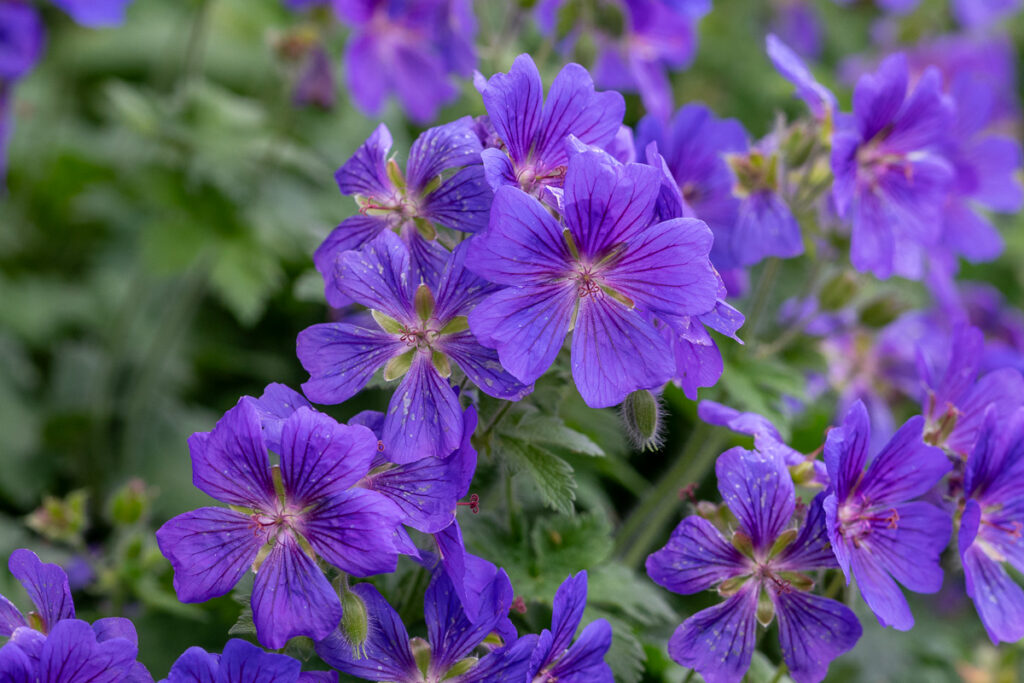
blue geraniums typical June flowers in the garden

This is the time we usually get to relax and enjoy our gardens with the first vegetables ready to harvest, flowers in full bloom and long summer nights to appreciate our hard work! We have hurtled into June already enjoying lovely balmy evenings but this month the scent that June is reknowned for should really start taking over.

Make sure that plants in greenhouses, conservatories and windowsills get some good ventilation and shading protection too to make sure they’re not scorched.

It's still not too late to do the 'Chelsea chop' on parts of some of your late flowering perennials - doing this will help stagger and prolong their flowering period. Early flowering perennials like geraniums can also benefit from the Chelsea chop they'll reward you with a second flush of flowers later in the summer.

Try to keep up good garden hygiene by deadheading when you can. And slugs, snails, aphids, greenfly and blackfly, to name but a few, are really active at this time of year so keep your eyes open and deal with them at the first signs of activity which normally works in most cases.

Although it would be lovely to say you have nothing to do now, it’s not true; there are still lots of routine jobs that need doing to keep your garden looking vibrant.

June Garden Jobs

June is a prolific time in our gardens and while it's usually a great time to break out that well deserved drink to help us savour the warm, scented evenings there are also lots and lots of jobs to be getting on with this month.

Just in case you're not sure where to begin, here's a list to get you started:

May Gardens

Hints of summer should be on its way this month with warmer and longer days. With the very hot spring we've had everything seems to have exploded - not only the plants but also pests are out with a vengeance. Our May gardens are starting to inject more colour and vibrancy into our outdoor spaces with flowers coming into bloom thick and fast.

Tulips are already up and gracing us with their presence, remember though that there is still a chance of an occasional frost so be ready to cover tender plants. New shoots found on plants like hostas are tender too and will need protection from cold winds and late frosts – have newspapers or fleeces ready and hold them down with large stones over night if the forecast is for cold.

Lawns usually need to be mown twice a week in May and don't forget to cut on a high setting, especially if your grass is damp. Going too short too early will damage your lawn. Take care not to cut the grass where bulbs are flowering too if possible. As soon as the leaves begin to turn yellow and die back that is a sign for you to cut your grass over bulbs. Leaves are a very important source of energy for next year’s bulb displays!

Shelter your hanging baskets in a corner during the day inside or on top of a big pot and put them inside overnight until the threat of frost has gone. Spring flowering containers will usually be starting to fade towards the end of May but some might last into June this year. When they have gone over throw out those annuals and replace them with new plants you have sown yourself or bought elsewhere.

May Garden Jobs

Every month brings with it a list of jobs that need doing in the garden and May is no exception! This is a busy time of year generally. Your garden will benefit from TLC this month to give it the best chance of performing well for you during the summer months. Some May garden jobs for that list of yours…

April Gardens

April often feels like the moment the garden properly wakes up.

This year in particular, the early rain has really helped things along - there’s a freshness and fullness to the growth that’s hard to miss. Primroses are looking especially good, and with the moisture we’ve had, blossom is expected to be really strong too.

There’s a noticeable shift during April - spring bulbs are out in force, leaves are unfurling, and trees are beginning to emerge and soften with blossom. It’s not just visual either… there’s sound and movement returning too, with birds, insects and early bees beginning to reappear.

Updated for April 2026

It’s an exciting month, but that said, temperatures are still a little unpredictable. A few warm days can quickly be followed by a drop again, so it’s worth balancing our enthusiasm with a bit of patience!

A moment for observation (before everything speeds up)

Last month was all about preparation and early movement - and April builds on that, but with a bit more urgency creeping in.

It’s worth taking a moment to notice what’s doing well in your garden right now:

This is often where design ideas can quietly reveal themselves - repetition, gaps, balance - all much easier to see now than at any other time of year.

Frosts, seedlings and not rushing ahead

It’s very tempting to get going with tender plants and seedlings now - and if you're like us you probably already have.

Just keep in mind that frosts can still catch you out, so if you are moving things outside:

A bit of caution now can save a lot of disappointment later.

Scent and seasonal interest

April is one of those months where scent can really lift a space.

If your garden feels a little flat at this time of year though, it might be worth introducing something specifically for spring fragrance. For instance, consider plants such as:

Just a note of caution on these plants; please bear in mind that not all varieties are scented, so it's worth checking before buying!

Productive gardens: an early rhythm

If you’re growing your own, April can suddenly feel quite busy.

Soil preparation, warming beds, sowing, potting on - it all starts to gather pace.

The main thing to keep in mind is succession. So, rather than sowing everything at once (and ending up with the inevitable courgette overload…), it can help to sow little and often every couple of weeks. It keeps things manageable and gives you a steadier supply later on.

Garden jobs for April

Planting and propagation

Borders and general maintenance

Lawns and edges

Seasonal care and protection

Looking ahead…

As April moves on, everything will start to accelerate - growth, colour, and maintenance.

It’s a good month for staying on top of things in a relaxed manner rather than trying to do everything at once. A bit of consistency now can make May feel far more manageable!


Gardening in March | Gardening in May

March Gardens

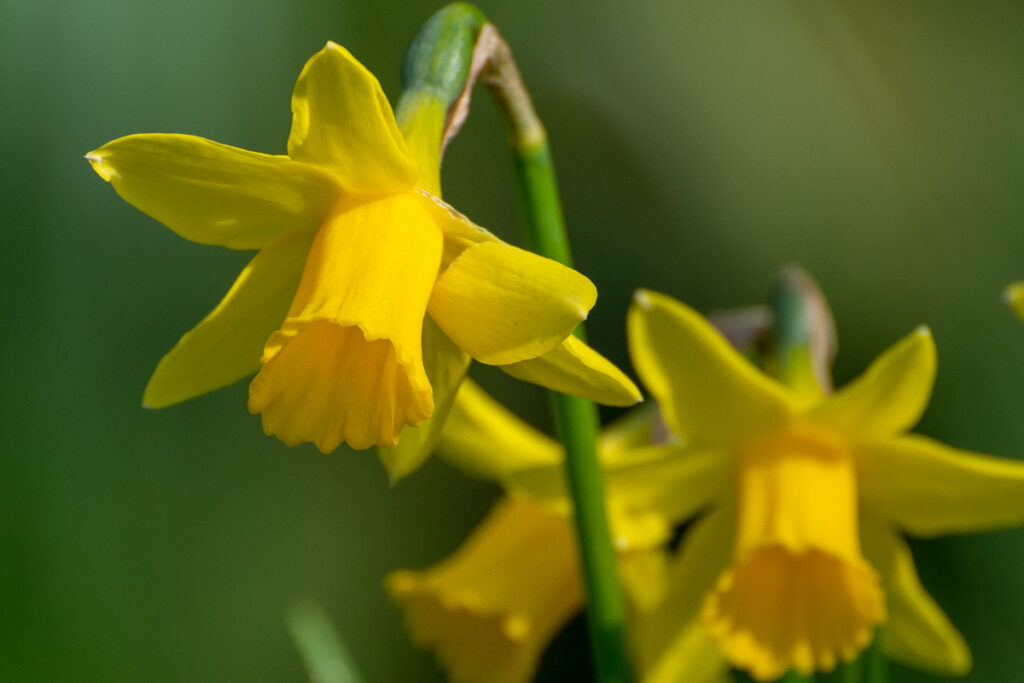
Yellow daffodils flowering in a spring garden in March

Gardening in March: what to do in the garden this month

Early spring really begins to gather pace in March. The days are noticeably longer, the sun starts to carry a little warmth and gardens slowly begin to wake from winter.

Early bulbs such as crocus, snowdrops and the first daffodils start brightening up our borders and generally making us smile. Lawns begin to stir back into growth and shrubs start showing the first signs of fresh shoots.

The weather can still be a little unpredictable though. Bright, mild days can quickly be followed by sharp frosts, so it’s wise to keep protective fleece handy for any tender plants and avoid moving overwintered plants out too early.

March is often a month of preparation as much as action. A little steady attention now — tidying borders, improving soil and getting ahead of weeds — makes the busy spring weeks that follow feel much easier to manage.

Updated for March 2026

Preparing the garden for spring growth

As the soil begins to warm, weeds will start to germinate quickly. Light hoeing on dry days is one of the easiest ways to keep them under control before they establish themselves. Any perennial weeds are best dug out now while the soil is still relatively open and workable.

Applying mulch to beds and borders is also particularly worthwhile at this time of year. A generous layer of organic matter helps retain soil moisture, improves soil structure and suppresses many of the weeds that would otherwise appear as temperatures rise.

Pruning and seasonal care

Many shrubs benefit from attention in March before the growing season gathers pace.

If roses were not pruned in the autumn, this is usually the final opportunity to do so before new growth becomes too established. Cutting back now helps maintain a good framework and encourages strong flowering later in the season.

Shrubs grown for colourful winter stems, such as dogwoods and willows, can also be cut back now. Pruning them annually encourages the fresh young stems that provide the best colour displays in autumn and winter.

Keeping an eye on pests and diseases

As temperatures increase, pests and diseases begin to become more active in the garden.

Regular observation is often the most effective approach. Slugs and snails, for example, become increasingly active as young shoots appear. Gardeners who prefer a non-chemical approach sometimes use biological controls such as nematodes, which can be watered into the soil to help manage slug populations.

In greenhouses or sheltered growing spaces, rising temperatures can also encourage aphids, whitefly and red spider mite. Keeping a watchful eye early in the season allows problems to be addressed before they become more widespread.

Garden jobs to do in March

Borders, perennials and planting

March is a good month to tidy and rejuvenate planting areas before spring growth accelerates.

Weed control and soil preparation

As soil temperatures begin to rise, weeds quickly start to germinate.

Lawns

Lawns usually begin growing again this month as temperatures slowly increase.

Vegetables and seed sowing

March is an important month for getting early crops started.

Containers and houseplants

Container plants also begin to respond to the longer daylight hours.

Looking ahead

By the end of March we often find the garden feels noticeably different to just a few weeks earlier. Bulbs are flowering, lawns are beginning to grow and new shoots are appearing across borders. A little preparation now can really help everything settle well into the busy spring weeks ahead.

Gardening in February | Gardening in April