
Gardening in February: What to do in the garden this month
February is often a colder month than January, but in recent years it’s increasingly changeable. Wet weather and unseasonably mild spells are now just as common as hard frosts and icy winds - and this year looks to be following that pattern.
One of the most noticeable shifts this month is the lengthening of the days. There are often a few bright, sunny moments to enjoy, and those warmer spells can be tempting. But it’s still very much winter, and cold winds, heavy frosts - and even the odd sprinkling of snow - remain a real possibility. Early sowing and planting out too soon can easily lead to disappointment, so patience is still key.
That said, signs of life are beginning to stir. Snowdrops and crocuses are already flowering in many gardens, and even daffodils are starting to make an appearance, lifting spirits all round. We’re seeing them peeping through in many of our clients’ gardens here in Kenilworth and across Warwickshire.
Updated for February 2026
Winter pruning and garden checks
February is an excellent time to tackle winter pruning before spring growth really gets going. Trees, roses, shrubs and climbers that are due a late-winter prune can be cut back now, as buds are already beginning to swell. The aim is to finish pruning just before the main growth spurt - so sooner rather than later is the mantra this year.
On milder days, take a slow walk around the garden and check recently planted trees and shrubs. Frost and strong winds can cause plants to lift slightly from the soil - a problem known as wind rock. If you notice movement, gently firm plants back in. Those planted last year should now be well established, but it’s still worth checking.
Planning ahead for the growing season
Last month we talked about planning what you’d like to do in your garden this year - whether that’s creating a new vegetable bed, moving or dividing plants, or redesigning part (or all) of the garden.
If you’re considering a new vegetable bed, February is the perfect time to plan. Questions to think through include:
- What would you like to grow?
- What is your budget?
- How large does the bed need to be?
- Where will it be positioned?
- What materials will you use?
- How much time can you realistically give to maintenance?
Once you’ve answered these, you can begin preparing the ground. If there’s turf where you want to grow, skim it off, fork over the soil, and allow frost to break it down naturally. This also gives the soil time to settle before planting. Seed catalogues and visits to local garden centres can be a great source of inspiration at this stage.
February garden jobs
There's still plenty to keep you busy in the winter garden:
Soil and growing
- Cover vegetable beds with cloches to help warm the soil ahead of sowing (Clear polythene works well if weighted securely at the edges.)
- Begin sowing annual flowers and herbs indoors - a greenhouse or warm windowsill is ideal
- Check stored tubers regularly for signs of rot
Garden care and maintenance
- Inspect garden structures such as pergolas, fences, arches and trellis; repair as needed
- Keep ponds free of ice
- Brush worm casts off lawns and keep grass clear of fallen leaves
- Leave protective fleeces in place for now - cold snaps can still catch plants out
- Gently tie back snow-damaged conifer branches using soft twine to avoid bark damage
Wildlife and general upkeep
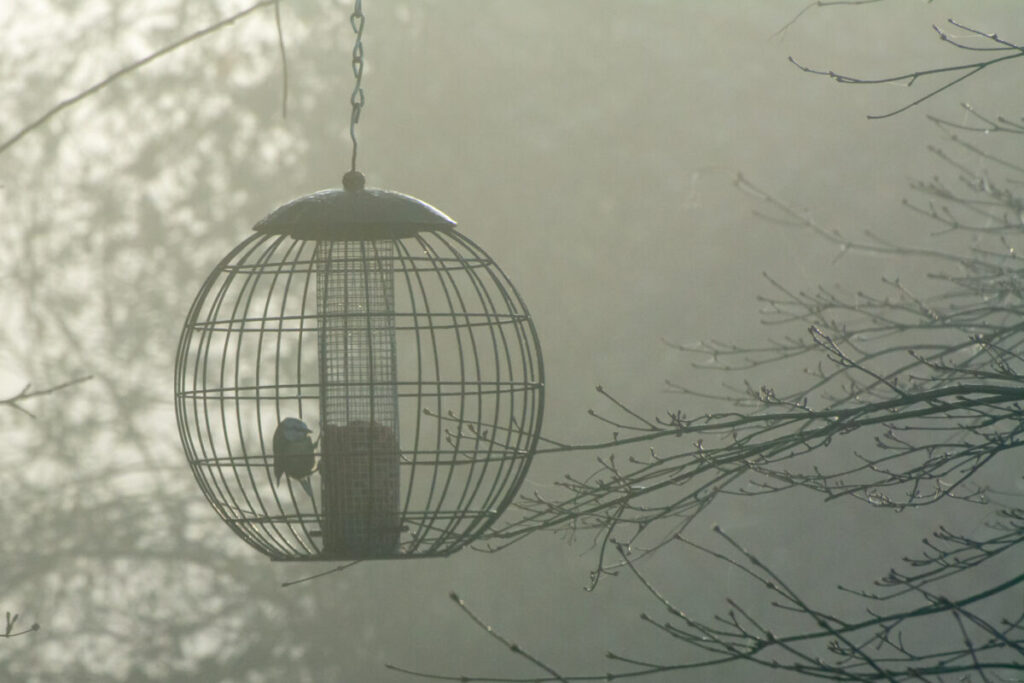
- Keep bird feeders and water topped up
- Continue clearing debris and garden waste to reduce pest problems later in the year
- Clean, sharpen and repair tools before the busy season begins
- Plan areas for herbs or future planting while the garden structure is easy to see
Looking ahead
As February draws to a close, gardens begin to feel poised on the edge of change. A little preparation now - without rushing the season - sets everything up beautifully for spring.


